
Research Bundle (bpc 157 and tb 500, MOTS-c)
Original price was: $215.00.$205.00Current price is: $205.00.
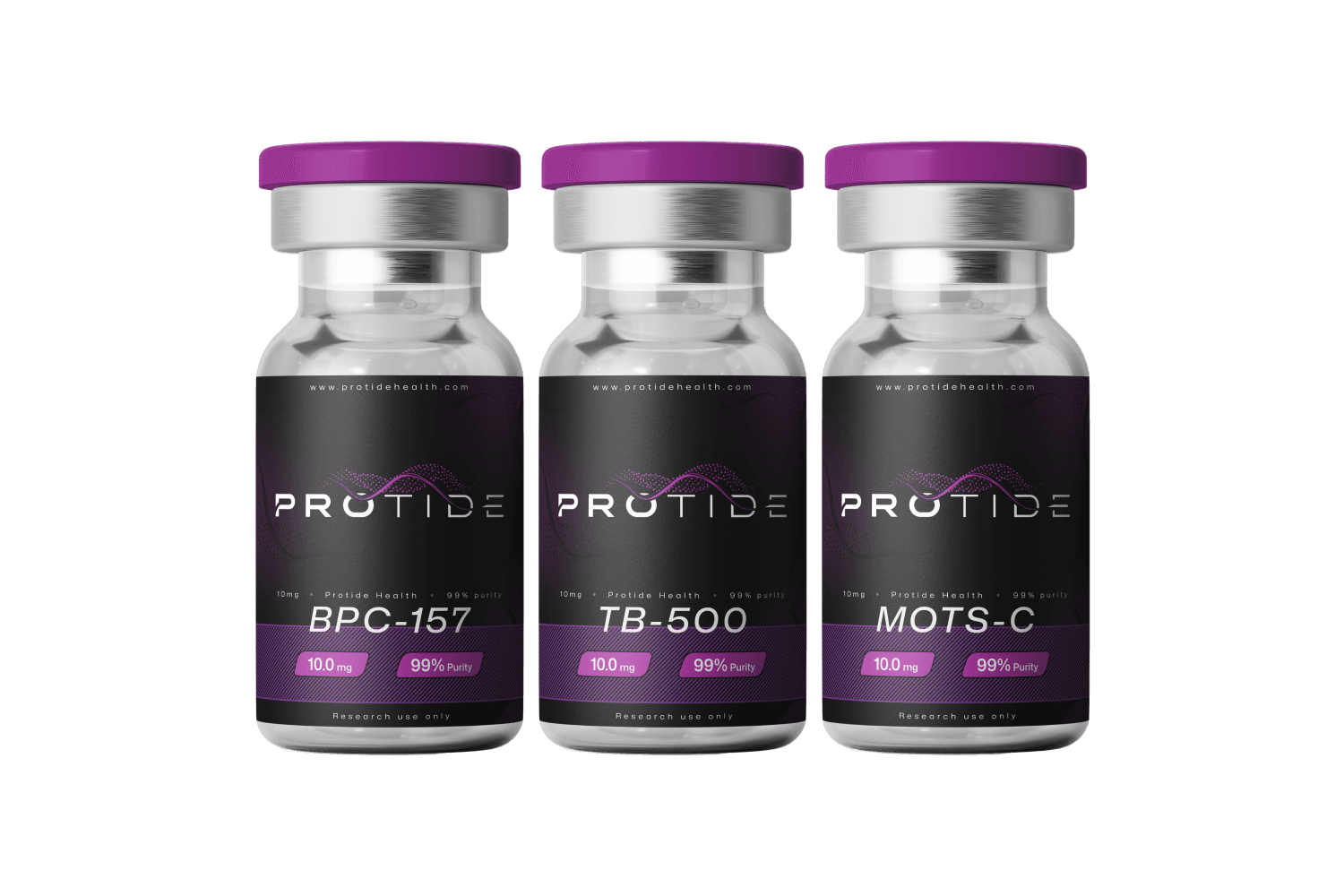
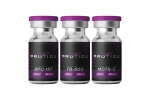
BPC 157 and TB 500 with MOTS-c research bundle product shot featuring three professionally labeled Protide Health vials—BPC-157 10mg, TB-500 10mg, and MOTS-c 10mg—arranged together against a clean laboratory-style background with individual vial identities and research-use-only labeling clearly visible.
BPC 157 and TB 500 with MOTS-c Research Bundle – Protide Health USA
BPC 157 and TB 500 Bundle Overview
The Protide Health BPC 157 and TB 500 with MOTS-c research bundle combines three individually packaged peptide vials for laboratories investigating distinct but potentially complementary molecular pathways.
The bundle contains:
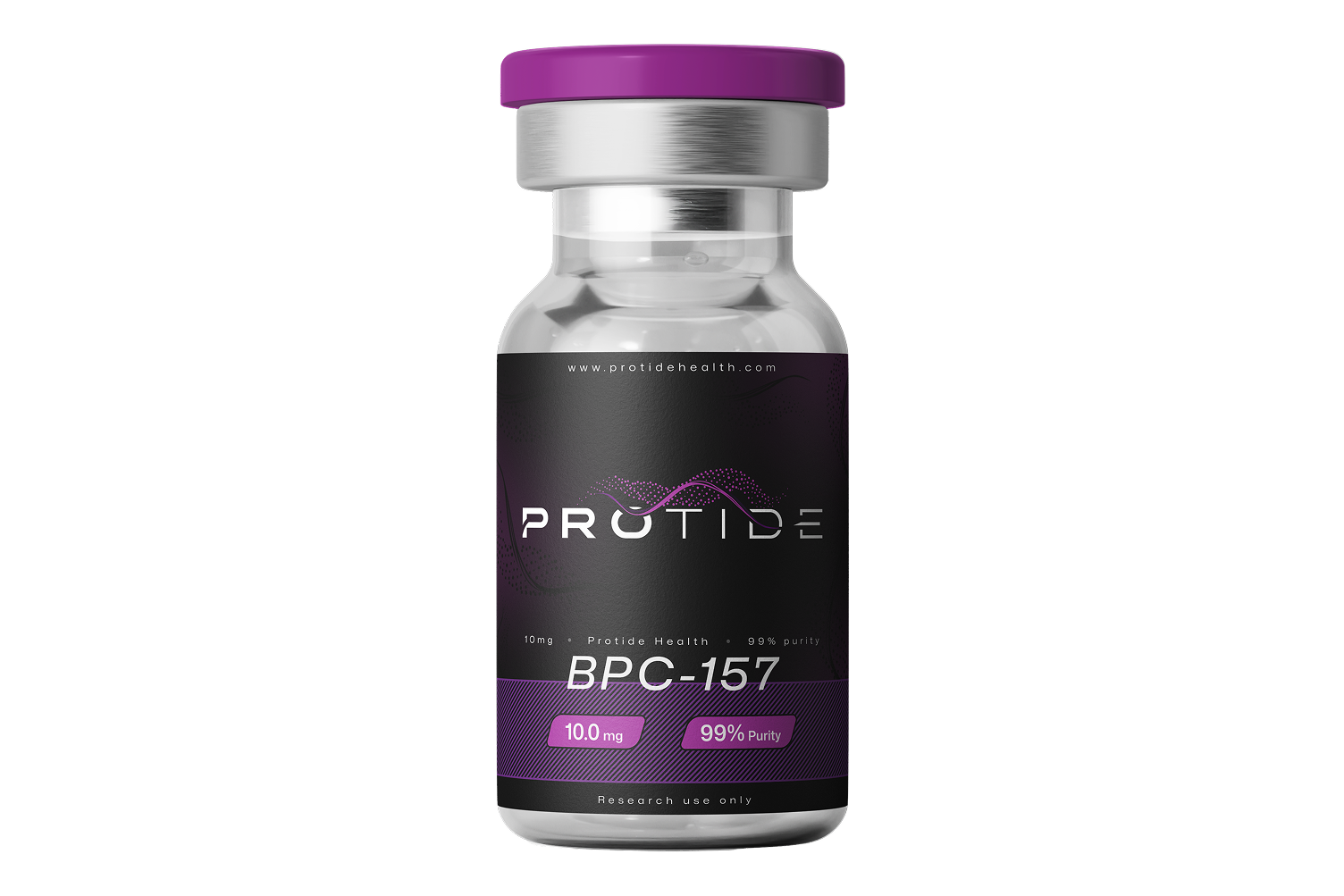
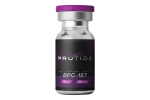
- BPC-157: 10mg
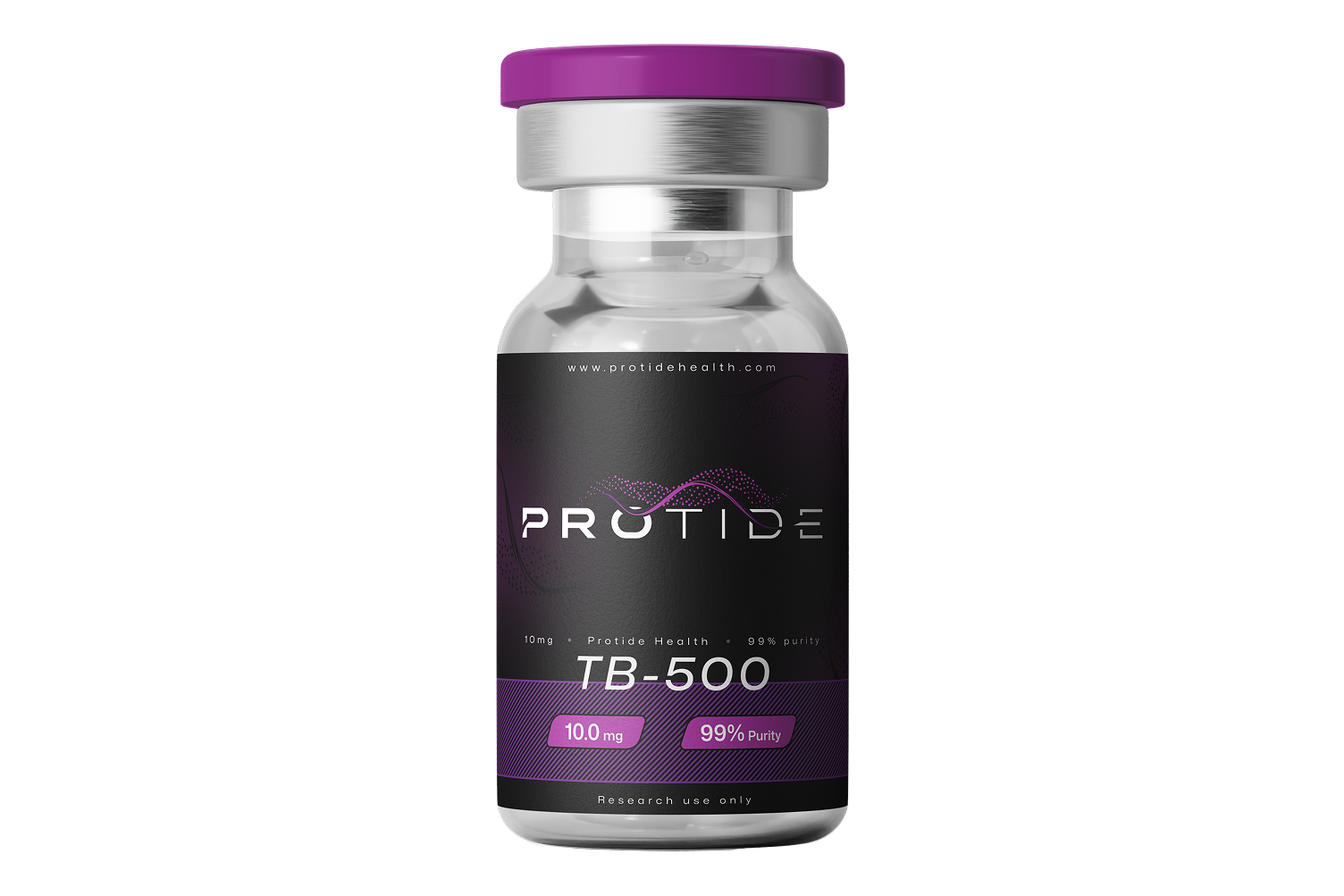
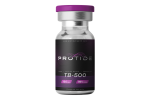
- TB-500: 10mg
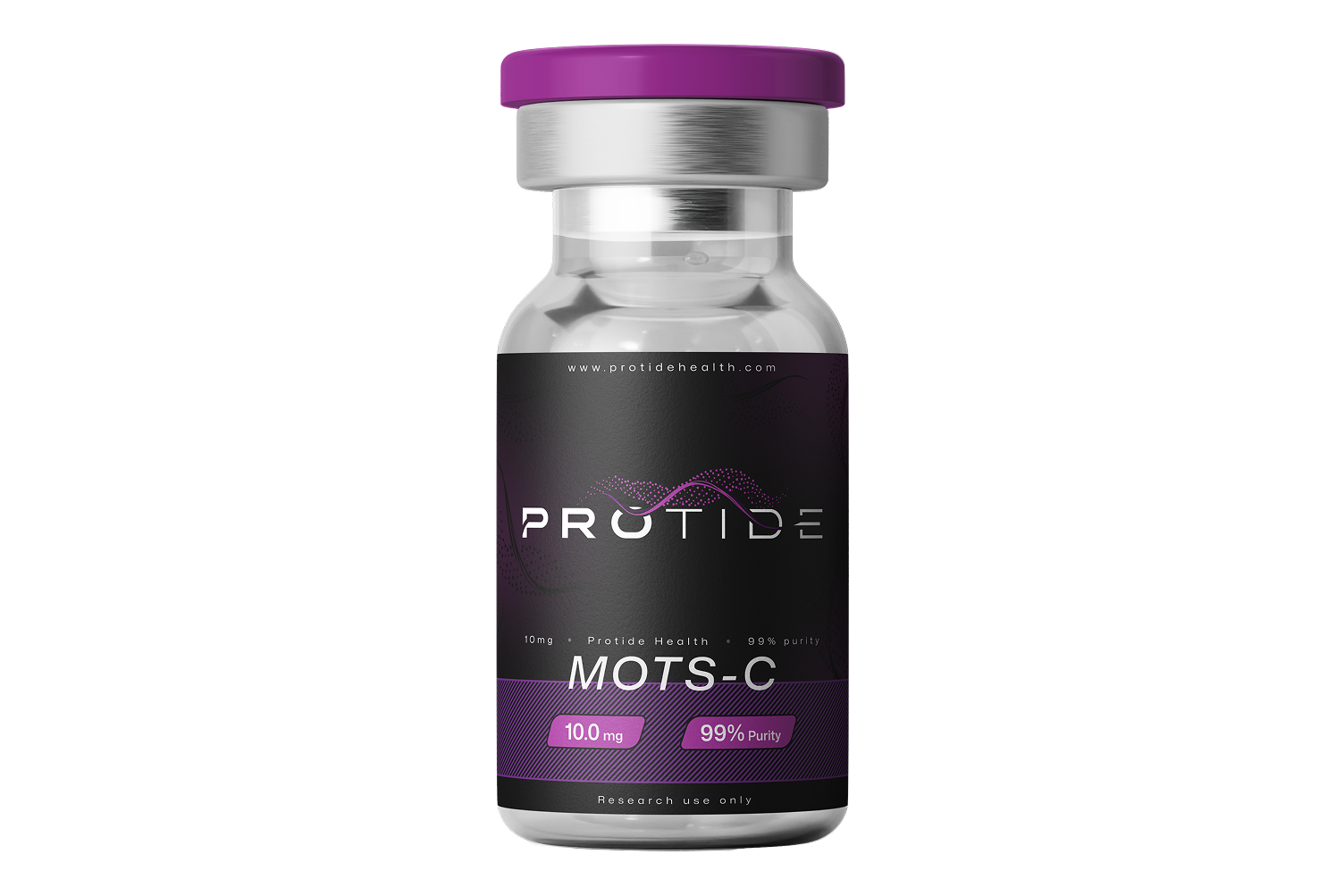
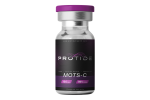
- MOTS-c: 10mg
- Total Research Material: 30mg across three separate vials
- Number of Vials: 3
- Combined Individual Product Value: $215.00
- Bundle Format: Three independent peptide vials
- Research Classification: Laboratory and preclinical research only
Each compound remains physically separate. This is not a premixed vial and should not be confused with a single bpc 157 tb 500 blend formulation.
Researchers can review the individual BPC-157 10mg research product, TB-500 10mg research product, and MOTS-c 10mg research peptide for compound-specific product information.
Why Combine BPC 157 and TB 500 with MOTS-c in a Research Bundle?
The purpose of the BPC 157 and TB 500 with MOTS-c bundle is to provide three chemically and mechanistically distinct research peptides within one laboratory package.
Their experimental research areas differ:
BPC-157
BPC-157 is a synthetic 15-amino-acid peptide commonly represented by the sequence:
GEPPPGKPADDAGLV
Published preclinical work has investigated BPC-157 in connection with:
- Vascular-response models
- Endothelial signaling
- VEGF-associated pathways
- FAK signaling
- Nitric-oxide-related pathways
- Cellular migration
- Tissue-response models
Much of this literature is animal or cell based and should not be interpreted as evidence of therapeutic efficacy in humans.
TB-500 / Thymosin Beta-4 Research
The Protide Health TB-500 research product is associated with thymosin beta-4 research.
Full-length thymosin beta-4 is a 43-amino-acid peptide extensively studied as a G-actin-sequestering peptide.
Experimental areas include:
- G-actin binding
- Actin polymerization
- Cytoskeletal organization
- Cell migration
- Endothelial-cell models
- Structure-activity relationships
When discussing bpc-157 and tb-500, researchers should recognize that their molecular targets are very different.
BPC-157 research has focused heavily on vascular and signaling pathways, while thymosin beta-4 is particularly well characterized for interactions with actin.
MOTS-c
MOTS-c is a 16-amino-acid mitochondrial-derived peptide with the sequence:
MRWQEMGYIFYPRKLR
Research has investigated MOTS-c in relation to:
- Mitochondrial signaling
- Folate-cycle modulation
- Purine biosynthesis
- AICAR accumulation
- AMPK signaling
- Skeletal-muscle metabolic pathways
- Cellular stress responses
- Mitonuclear communication
This gives the bundle a third research pathway distinct from both BPC-157 and TB-500.
BPC 157 and TB 500 Research Context
The phrase bpc 157 and tb 500 commonly appears in research-related searches because both compounds have been investigated in preclinical tissue-response models.
However, they should not be treated as interchangeable peptides.
BPC-157 is a 15-residue peptide with a distinct primary sequence and experimental literature.
Thymosin beta-4 is a longer peptide with established G-actin binding and actin-sequestering properties.
The combination of BPC 157 and TB 500 in the same research bundle does not establish biological synergy.
Researchers evaluating both should use appropriate controls to determine whether observed responses are attributable to:
- BPC-157 alone
- TB-500 alone
- MOTS-c alone
- Experimental combinations
- Model-specific interactions
BPC 157 TB 500 Blend vs This Three-Vial Bundle
The keyword bpc 157 tb 500 blend often refers to a single vial containing both compounds.
This Protide Health bundle is different.
The three peptides are supplied in separate vials, allowing laboratories to investigate each material independently.
Researchers specifically seeking a combined formulation can review the BPC-157 & TB-500 Wolverine Blend as a separate Protide Health product.
Maintaining separate vials may be useful experimentally because researchers can design individual control groups rather than assuming identical behavior from a combined formulation.
BPC-157 and TB-500: Mechanistic Differences
The search phrase bpc-157 and tb-500 can imply that the two peptides have the same mechanism. They do not.
BPC-157 Research Pathways
Published studies have discussed BPC-157 in relation to:
- VEGFR2 signaling
- FAK-associated signaling
- Vascular responses
- Nitric-oxide pathways
- Cellular migration
- Angiogenesis-related experimental endpoints
A 2014 review summarized BPC-157 research involving blood vessels, angiogenesis, vasculogenesis, endothelial responses, and NO/VEGF/FAK-associated pathways.
TB-500 / Thymosin Beta-4 Pathways
Full-length thymosin beta-4 is extensively characterized as an actin-sequestering peptide.
Research has demonstrated binding to monomeric G-actin and inhibition of its polymerization into filamentous actin under specific experimental conditions.
This makes cytoskeletal biology a central research area for TB-500 / thymosin beta-4.
The distinction is important when comparing BPC 157 and TB 500 experimentally.
TB 500 and BPC 157 with MOTS-c
The reversed keyword tb 500 and bpc 157 refers to the same two primary peptides in this bundle, with MOTS-c adding an additional mitochondrial-derived research component.
Rather than assuming a unified mechanism, laboratories can conceptualize the bundle across three areas:
BPC-157
- Peptide-signaling research
- Vascular-response models
- Cellular migration pathways
TB-500
- G-actin binding
- Cytoskeletal regulation
- Cell-migration research
MOTS-c
- Mitochondrial signaling
- AMPK-associated research
- Cellular metabolic pathways
These categories can overlap experimentally, but overlap does not establish synergy.
TB 500 vs BPC 157
The keyword tb 500 vs bpc 157 is best addressed through molecular differences rather than declaring one compound superior.
BPC-157 and TB-500 differ in:
- Amino-acid sequence
- Molecular size
- Structural characteristics
- Primary experimental targets
- Published research history
- Mechanistic hypotheses
BPC-157 is a pentadecapeptide, whereas full-length thymosin beta-4 contains 43 amino acids.
Thymosin beta-4 has a well-characterized direct interaction with actin, whereas BPC-157 research has emphasized pathways involving vascular responses and molecular signaling.
Neither distinction establishes that one is “better” than the other.
The appropriate compound depends on the experimental question being studied.
MOTS-c Adds a Distinct Mitochondrial Research Pathway
MOTS-c makes this BPC 157 and TB 500 bundle broader than a standard two-peptide package.
The original MOTS-c discovery literature identified a mitochondrial DNA short open reading frame encoding a 16-amino-acid peptide.
In cellular and animal experiments, researchers investigated effects involving:
- Folate metabolism
- De novo purine biosynthesis
- AMPK activation
- Skeletal-muscle signaling
- Metabolic homeostasis
These findings remain predominantly preclinical and should not be interpreted as human metabolic or performance benefits.
Research Bundle Advantages
For qualified laboratories, a three-vial bundle provides practical flexibility.
Because each peptide is separately packaged, researchers can design:
- Single-compound experiments
- Comparative assays
- Control groups
- Sequential investigations
- Multi-pathway experimental designs
The bundle format does not determine how compounds should be combined experimentally.
Researchers remain responsible for establishing concentrations, controls, assay conditions, and validated protocols appropriate to their model.
Research Limitations
Research on BPC 157 and TB 500 with MOTS-c requires several important limitations to be considered.
- The three peptides have distinct mechanisms.
- Their presence in one bundle does not prove synergy.
- BPC-157 evidence remains heavily preclinical.
- Thymosin beta-4 data should not automatically be attributed to every product commercially called TB-500 without confirming molecular identity.
- MOTS-c evidence is substantially based on cellular and animal models.
- Findings from one peptide should not automatically be transferred to another.
- Animal findings cannot establish equivalent human outcomes.
- Laboratory materials do not have the same regulatory status as approved pharmaceutical products.
- This exact three-vial bundle has not been established as one pharmacological entity.
The BPC 157 and TB 500 with MOTS-c bundle should therefore be treated as a research-material package rather than a therapeutic combination.
Literature & Citation Index
BPC 157 and Blood Vessels
Year: 2014
PMID: 23782145
DOI: 10.2174/13816128113199990421
Research Context: BPC-157, vascular responses, angiogenesis, NO-associated pathways, VEGF, FAK signaling, and preclinical research.
Detection and In Vitro Metabolism of the Confiscated Peptides BPC 157 and MGF R23H
Year: 2017
PMID: 28035768
DOI: 10.1002/dta.2152
Research Context: Analytical identification of BPC-157, confirmation of the GEPPPGKPADDAGLV sequence, and in-vitro metabolism.
Actin-Sequestering Ability of Thymosin Beta-4 and Its Fragments
Year: 1993
PMID: 8471179
DOI: 10.1515/bchm3.1993.374.1-6.117
Research Context: Full-length thymosin beta-4, G-actin sequestration, actin polymerization, and structure-function research.
Thymosin Beta-4: Actin-Sequestering Protein Moonlights to Repair Injured Tissues
Year: 2005
PMID: 16099219
DOI: 10.1016/j.molmed.2005.07.004
Research Context: Thymosin beta-4 biochemistry, actin sequestration, cellular migration, and experimental tissue-response pathways.
The Mitochondrial-Derived Peptide MOTS-c Promotes Metabolic Homeostasis and Reduces Obesity and Insulin Resistance
Journal: Cell Metabolism
Year: 2015
PMID: 25738459
DOI: 10.1016/j.cmet.2015.02.009
Research Context: MOTS-c discovery, mitochondrial-derived signaling, folate/purine pathways, AMPK activation, skeletal muscle, and mouse metabolic models.
Related Protide Health Research Products
Researchers examining other multi-peptide signaling systems may review the CJC-1295 No DAC & Ipamorelin Blend for a mechanistically distinct endocrine-signaling research formulation.
The GHK-Cu & KPV Blend provides another separate multi-peptide research system with different sequences and experimental pathways.
These formulations are chemically distinct from the BPC 157 and TB 500 with MOTS-c three-vial bundle.
Frequently Asked Questions
What is included in the BPC 157 and TB 500 bundle?
The bundle contains three separate research vials:
- BPC-157 10mg
- TB-500 10mg
- MOTS-c 10mg
The total listed research material is 30mg across three vials.
Is this a BPC 157 TB 500 blend?
No. Although bpc 157 tb 500 blend is a common search phrase, this product is a bundle of three separate vials rather than one premixed formulation.
Are BPC-157 and TB-500 the same peptide?
No. BPC 157 and TB 500 have different amino-acid sequences, molecular characteristics, and research mechanisms.
What is the difference between TB 500 vs BPC 157?
Full-length thymosin beta-4 research is strongly associated with G-actin sequestration and cytoskeletal biology. BPC-157 research has focused more on vascular, endothelial, and molecular-signaling models. Neither is scientifically classified as universally superior.
Why is MOTS-c included?
MOTS-c provides a distinct mitochondrial-derived peptide research pathway involving AMPK-associated signaling, metabolic stress, and mitonuclear communication.
Are the three peptides premixed?
No. Each compound is supplied in its own vial.
What is the combined individual product value?
The listed individual values are $65 for BPC-157, $85 for TB-500, and $65 for MOTS-c, totaling $215.00 before the bundle discount.
Does the bundle prove that these peptides work synergistically?
No. Packaging the peptides together does not establish biological synergy. Any interaction must be evaluated experimentally with appropriate controls.
Is this bundle intended for human use?
No. The products are supplied solely for laboratory, analytical, in-vitro, molecular, cellular, and qualified preclinical research.
Laboratory Terms & Compliance
Laboratory Research Use Only
This BPC 157 and TB 500 with MOTS-c bundle is supplied exclusively for laboratory research, analytical testing, in-vitro studies, cellular research, preclinical models, and qualified scientific experimentation.
It is not intended for human or veterinary consumption, medical use, diagnostic use, therapeutic use, injury treatment, bodybuilding, athletic-performance enhancement, weight management, injection, or clinical administration.
No human dosage, injection schedule, administration protocol, cycle, reconstitution guidance for human use, or treatment recommendation is provided.
The purchaser is responsible for appropriate laboratory handling and use under applicable institutional, federal, state, and local requirements. Please review the Protide Health Terms & Conditions before purchasing.
For research use only.


MAECENAS IACULIS
Vestibulum curae torquent diam diam commodo parturient penatibus nunc dui adipiscing convallis bulum parturient suspendisse parturient a.Parturient in parturient scelerisque nibh lectus quam a natoque adipiscing a vestibulum hendrerit et pharetra fames nunc natoque dui.
ADIPISCING CONVALLIS BULUM
- Vestibulum penatibus nunc dui adipiscing convallis bulum parturient suspendisse.
- Abitur parturient praesent lectus quam a natoque adipiscing a vestibulum hendre.
- Diam parturient dictumst parturient scelerisque nibh lectus.
Scelerisque adipiscing bibendum sem vestibulum et in a a a purus lectus faucibus lobortis tincidunt purus lectus nisl class eros.Condimentum a et ullamcorper dictumst mus et tristique elementum nam inceptos hac parturient scelerisque vestibulum amet elit ut volutpat.
Related products
GLP-2
Price range: $110.00 through $400.00
Reviews
There are no reviews yet.